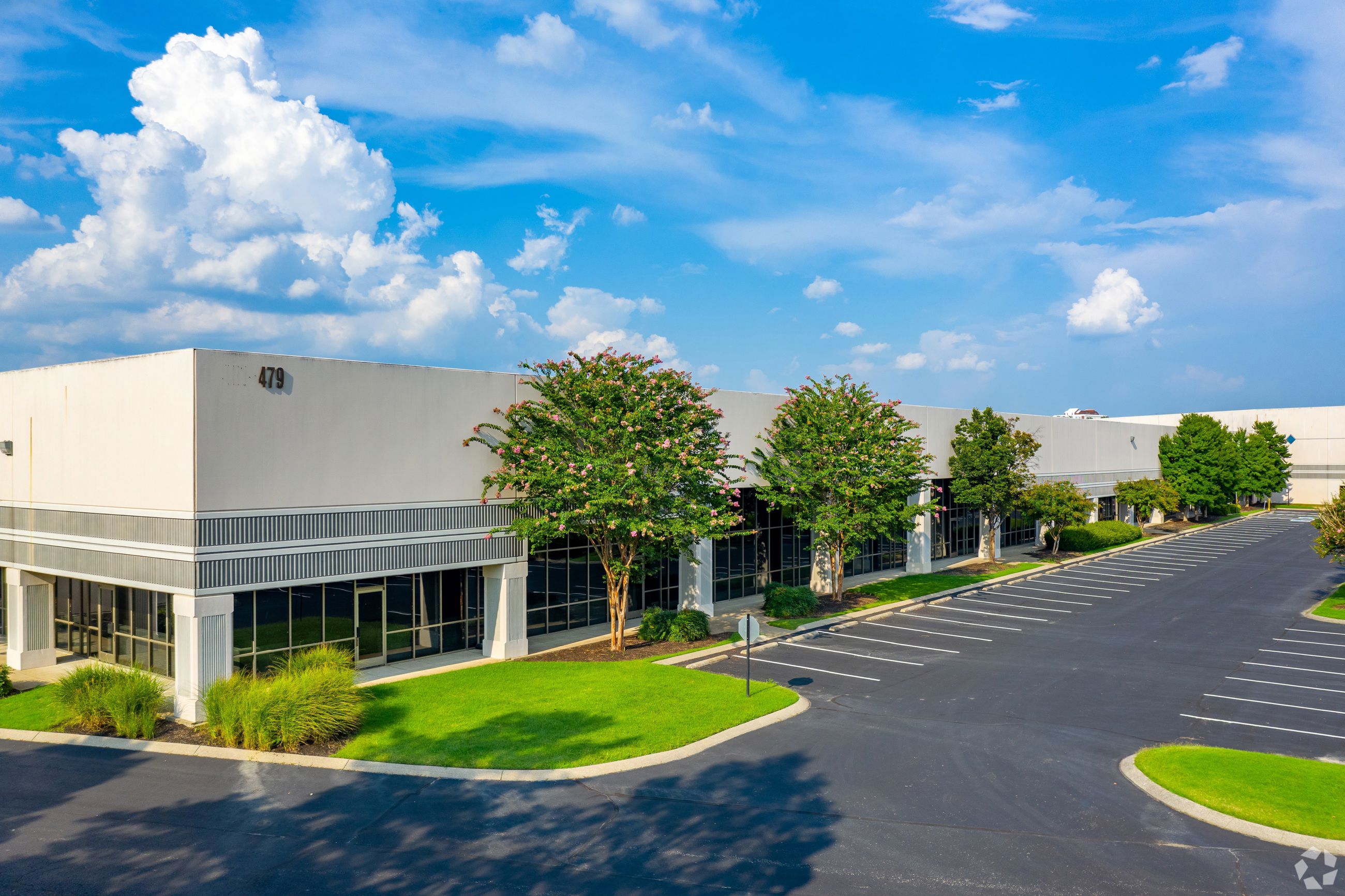
As a Southeast-focused sponsor, we’re pragmatic about today’s realities, and optimistic about what the next 18–24 months can unlock. Below is how we see the opportunity set in office, hotels, and industrial/warehouse across major Southeast metros we track (Atlanta, Nashville, Tampa, Charlotte and peers).
Office: Stabilization math is starting to work—especially for well-located suburban assets
Nationally, office demand is still recalibrating, but the direction is improving: gross leasing has been trending higher even as overall absorption remains mildly negative—an indication that tenants are active while older/lower-utility space continues to be shed. Markets with constrained new supply and “flight-to-quality” dynamics are showing the clearest early stabilization.
In the Southeast, you can see that bifurcation plainly:
- Atlanta has held ~25% overall vacancy for three straight quarters (flat is good in today’s office) while Class A demand and the absence of speculative deliveries are doing the heavy lifting. For disciplined buyers, that spells value in quality assets at basis that assumes little perfection.
- Tampa Bay is a useful contrast: vacancy fell to the high-19% range, a low since 2022, with the improvement led by Class A; exactly where most users are landing when they do move.
- Nashville continues to benefit from diversified job growth: vacancy ~16–17% and positive YTD absorption, with submarkets like Midtown and Cool Springs posting quarter-over-quarter vacancy drops as tenants execute on flight-to-efficiency. Limited construction also helps the math.
The upshot: Across the Southeast, the office playbook is straightforward: target well-located suburban nodes with tenant-centric specs (parking, service, quicker commute), lean into spec-suite programs that reduce downtime, and price in a conservative lease-up but real optionality on exit. With supply net-neutral and leasing velocity creeping up, even modest absorption can de-risk cash flows and set up refinance or sale optionality as rates ease.
Hotels: Softer comps now, but healthy rate integrity and a pathway to 2026
U.S. hotel performance has cooled in 2025, led by weaker mid-scale demand and a softer corporate midweek. Recent data showed occupancy in the mid-60s, ADR modestly positive year-over-year, and RevPAR roughly flat—a reminder that the post-leisure-boom normalization isn’t uniform across segments. Forecasts point to a slight RevPAR dip in 2025 before a return to growth in 2026.
For the Southeast, that headline hides important nuance. Regional leisure and event-driven markets (SEC football weekends, destination concerts, convention calendars, and drive-to leisure) continue to provide durable weekend pricing, while the corporate shoulder is still rebuilding. In practice, we’re underwriting to steady ADR, conservative occupancy (especially midweek), and margin discipline (labor, utilities) that preserves cash flow through the cycle. With supply largely constrained in many Sun Belt submarkets and replacement costs still high, select-service and upper-midscale flags near health systems, state capitals, and university anchors remain compelling—particularly for sponsors with operational levers to pull.
The opportunity: Acquire or recapitalize in-place assets with stable weekend mix and clear event/feeder demand, fix the cost structure, and position for a 2026–27 exit or recap as group/corporate normalizes and the rate environment eases. The distribution of outcomes will remain wide by segment, but disciplined basis and block-and-tackle asset management can create outsized equity capture when RevPAR growth resumes.
Industrial/Warehouse: From overheated to balanced—good entry timing in the South
After an unprecedented 2021–22 build-out, the U.S. industrial market has moved from “boom” to “balance.” National vacancy has normalized near the 7–8% range, quarterly deliveries have begun to slow, and leasing demand is broadly absorbing the pipeline; rents are flattening but largely holding.
Drilling into Southeast examples:
- Atlanta industrial vacancy is now in the high-8% range, a normalization from the ultra-tight years; absorption has improved as new supply fades. This is the zone where developers sharpen pencils on concessions—and where well-located shallow-bay and mid-box can be bought at rational yields.
- Charlotte sits in the low-8% vacancy range and has posted back-to-back quarterly improvements—evidence that the market is clearing.
- Tampa Bay is ~6–7% vacancy, elevated versus 2022 lows but still landlord-friendly in infill submarkets. Nashville continues to see deliveries, yet key submarkets remain tight because demand is tethered to population growth and diverse manufacturing/logistics.
Why this matters now: As construction falls and second-generation space resets to market rents, owners who can fund TI/LC and fast-track occupancy stand to benefit from cap-rate stickiness and future NOI growth. For users, Southeast cost and labor advantages keep the region at the center of reshoring and population-driven consumption—tailwinds that underpin long-term absorption even through a mid-cycle slowdown.
What we’re doing about it
- Office: Concentrate on historical suburban nodes with proven commuter advantages and limited new supply; fund practical spec suites; use flexible deal structures that trade a bit of economics for speed and certainty.
- Hotels: Prioritize durable demand drivers (healthcare, government, higher-ed, entertainment) and operational upside; assume conservative midweek; position for a modest 2026 RevPAR recovery.
- Industrial/Warehouse: Seek infill or labor-advantaged submarkets where vacancy is near equilibrium and construction starts are falling; underwrite to today’s rents with upside from leasing momentum rather than speculative rent spikes.
Bottom line: The Southeast remains a relative winner. In office, stabilization is increasingly asset-specific—but real. Hotels are cycling through a soft patch with manageable ADR pressure and a clear path to 2026. Industrial has downshifted to balance, which is often the best time to buy or recap. The next two years will be positive for those with patient capital and for operators who continue to manage and execute creatively in preparation for forecasted reasonable growth in the next two years.